The Value of Arborists: All-Inclusive Care for Maximum Tree Development and Security.
Arborists serve a vital role in maintaining the health and safety of trees. The knowledge they possess covers fields including tree biology, pest control, and tree structure. Regular maintenance is essential for avoiding possible dangers and fostering health. Yet, many property owners overlook the signs of tree distress that could lead to serious consequences. Knowing what tree specialists provide can drastically improve the lifespan and aesthetics of landscapes. What main offerings they provide?
Knowing the Purpose of Arborists

While most practical resource people enjoy the beauty of trees, few understand the essential part that arborists play in maintaining their health and safety. Arborists are highly trained individuals trained in the science and art of tree care. They have extensive knowledge of tree biology, ecology, and the many variables that impact how trees grow and stay upright. They inspect trees for indications of illness, pest infestations, and vulnerable areas, ensuring that trees thrive in their environments. They highlight the ecological benefits of trees, such as carbon sequestration and wildlife habitat, stressing their value in city development and environmental conservation. By implementing best practices in tree care, arborists contribute to the overall health of urban forests and landscapes. Their skill is necessary in teaching others about careful tree ownership, fostering a greater appreciation for trees and the fundamental role they play in the ecosystem.
Key Services Offered by Arborists
These professionals deliver a broad array of necessary services that support the well-being and security of trees. One primary service is tree pruning, which requires cutting away dead or diseased branches to encourage development and mitigate risks. Tree specialists perform tree assessments, evaluating the condition and structural integrity of trees, pinpointing possible dangers, and advising on the best course of action. In addition, they assist with tree placement, guaranteeing trees are located in appropriate spots with ideal soil conditions to thrive
One more vital service is pest and disease management, where arborists determine the issues and carry out treatment strategies to safeguard the trees (Florence Arborist). Furthermore, many arborists engage in tree removal when necessary, safely dismantling hazardous trees to lessen hazards to property and people. To conclude, they offer consulting, informing customers on tree care and maintenance practices that foster healthy growth. Collectively, these services are vital for upkeeping rural and urban settings
The Benefits of Routine Tree Upkeep
Regular tree maintenance provides many advantages that boost the trees' well-being and the security of the nearby area. By providing steady maintenance, such as trimming and thinning, trees can grow more robustly, which permits better light access and circulation of air. This fosters robust structural development and decreases the threat of pests and diseases. Furthermore, regular maintenance aids in the removal of hazardous or deceased branches, lessening the possibility of harm to property or people during storms or high winds.
Moreover, well-maintained trees contribute positively to the aesthetic appeal of landscapes, raising the value of the property. They also encourage biological diversity by offering shelter for different species. Hiring expert arborists makes certain that maintenance practices are performed correctly, utilizing their expertise to assess tree health and use suitable treatments. In conclusion, regular maintenance creates a safer setting while improving the vigor and longevity of trees, benefiting both the ecosystem and the community.
Recognizing Symptoms of Tree Stress
What are the ways to tell when a tree is stressed? Recognizing signs of tree distress is essential for ensuring the health and safety of trees. Important signs involve wilting or yellowing leaves, which may suggest insufficient water or deficiencies in nutrients. Additionally, a large number of falling leaves can be a sign of stress, especially in the growing months. Changes in bark texture, such as flaking or splitting, often signal deeper problems, including disease or pest infestations. An excessive number of dead branches, particularly if they are present everywhere, signals diminishing health. In addition, an unstable root system, shown by roots that are exposed or leaning, can jeopardize a tree’s structural integrity. Finally, the existence of mushrooms or fungi at the base may indicate decay. By recognizing these signs early, tree owners are able to take suitable steps to mitigate risks and ensure the tree remains healthy, securing the safety and lifespan of their trees.
Choosing the Right Arborist for Your Needs
When selecting an arborist, which elements must be taken into account to secure the most suitable provider for their tree care needs? To begin with, credentials are essential; an accredited arborist must have relevant qualifications and training in tree care. The arborist's experience matters greatly; arborists with extensive experience are likely to provide better service. Furthermore, looking at reviews and asking for references helps shed light into an arborist’s reliability and professionalism.
The range of services offered is another factor is the range of services offered. From tree pruning and disease control to emergency services, a suitable arborist must be able to address to specific needs. Moreover, it is wise to check on insurance and safety practices to assure protection against potential liabilities. Lastly, receiving quotes from different providers helps determine fair pricing, leading to a better decision. By carefully evaluating these factors, individuals are able to select a tree professional who meets their specific needs and promotes the health and safety of their trees.
Commonly Asked Questions
What is the Recommended Frequency for Tree Maintenance?
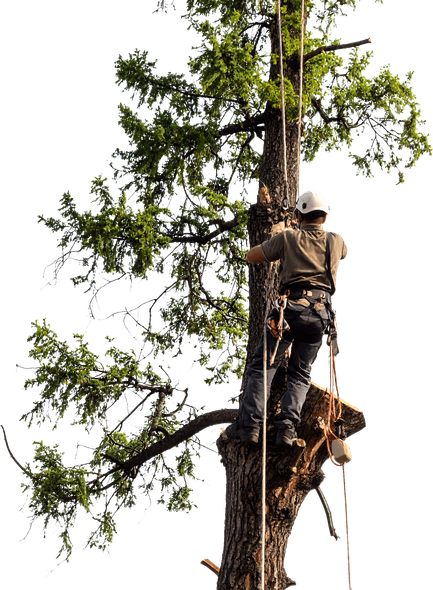
Scheduling tree maintenance is recommended at least once a year for the majority of trees (Florence Arborist). Nevertheless, specific needs may vary based on the species, climate, and tree maturity, which requires adjusting the maintenance schedule appropriately
What Qualifications are Important in an Arborist?
When looking to hire a tree professional, you must check for credentials such as ISA (International Society of Arboriculture) certification, accreditation by the TCIA (Tree Care Industry Association), or state-specific licenses that demonstrate expertise in tree care and safety practices.
Do Arborists Offer Tree Planting Services?
Certainly, certified tree experts can aid with tree planting. Arborists offer knowledge when choosing suitable tree types, making certain planting methods are correct, and giving advice about the specific site factors, leading to robust growth and improving the environmental equilibrium of the landscape.
In What Ways Does the Weather Influence Tree Care?
Weather conditions greatly influence arboricultural practices. Temperature extremes, moisture levels, and the direction of the wind influence how trees grow, health, and risk of infestation, demanding specific treatment approaches to ensure trees flourish in varying environmental conditions.
What Is the Average Cost for Arborist Services?
The average cost of hiring an arborist generally costs $300 to $1,500, depending on factors such as location, the height and girth of the tree, and the complexity of the services required for necessary tree upkeep and vitality checks.